<p>Exploration & Field Support</p>

Exploration & Field Support

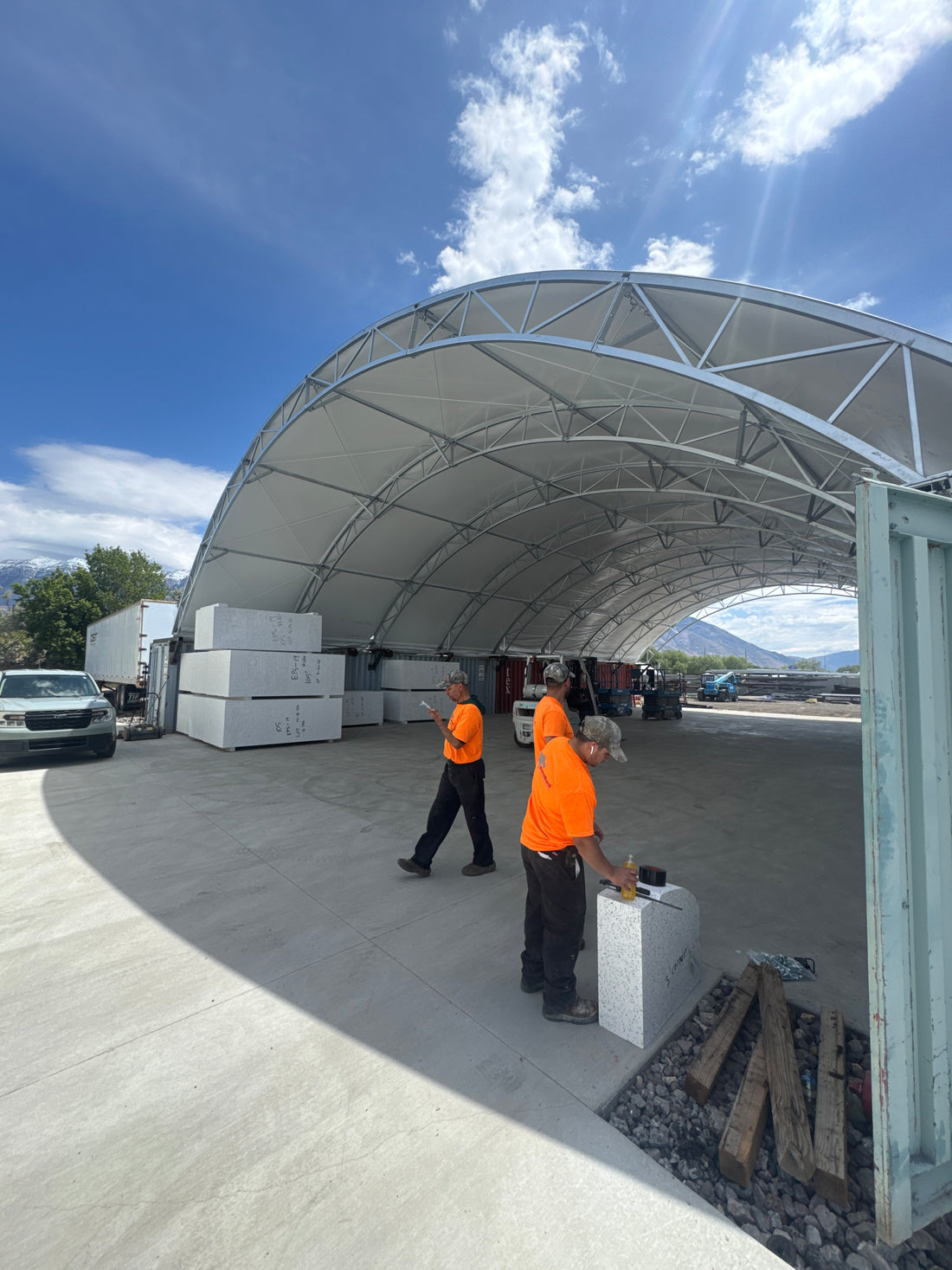
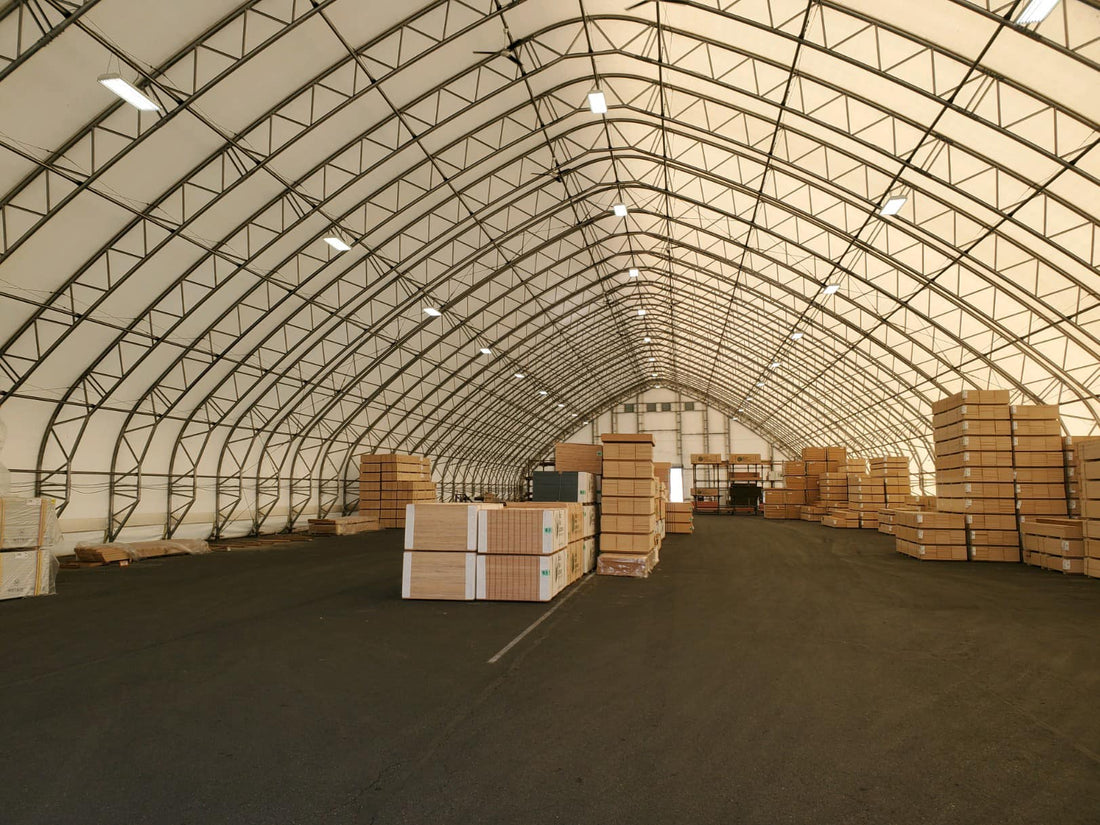
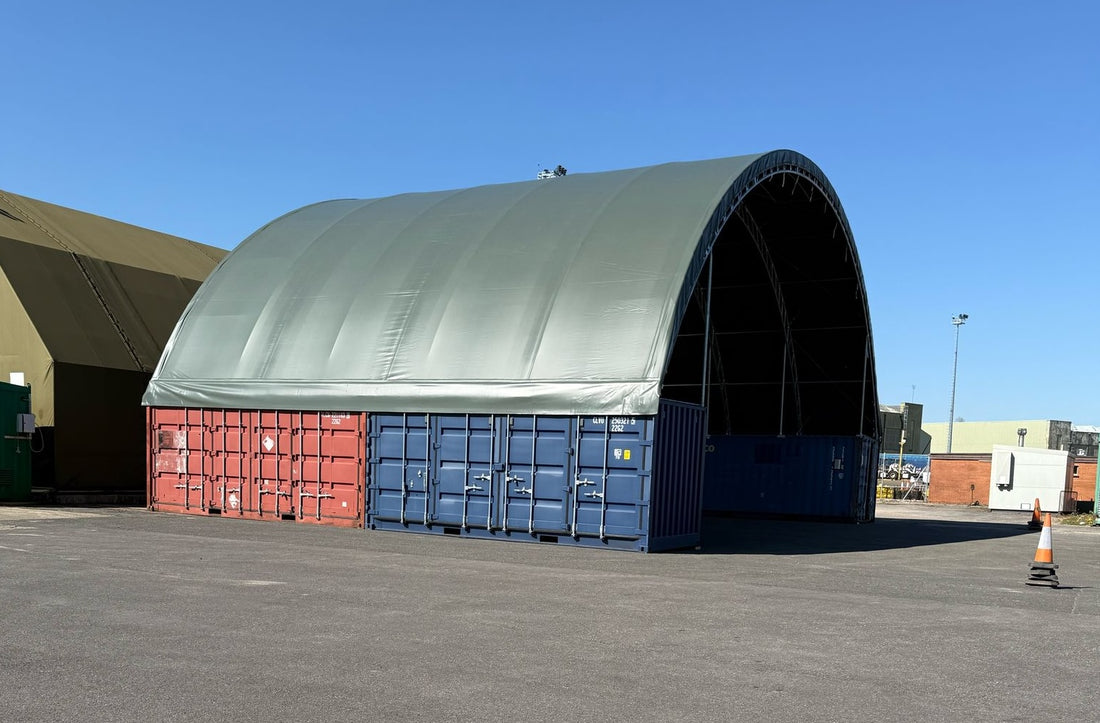
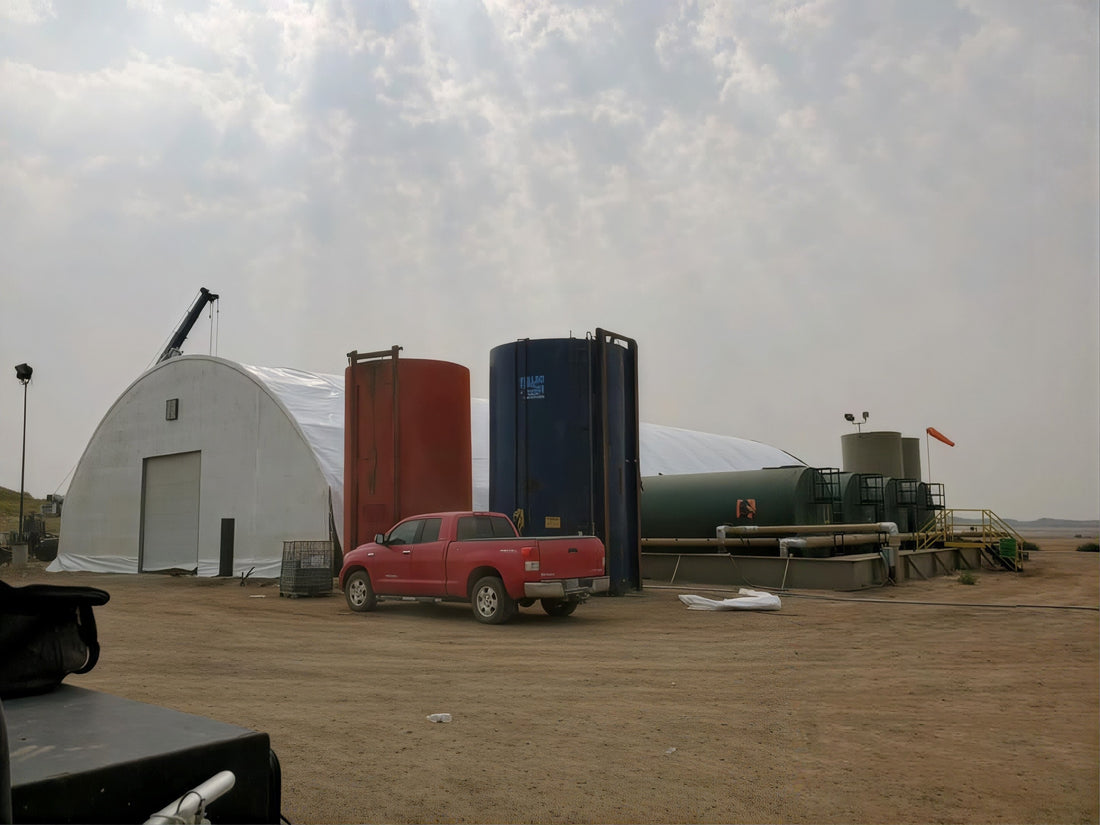
Sheltirx™ exploration support buildings provide covered space for field equipment, project supplies, sample handling and exploration logistics. We configure each structure around campaign requirements, equipment dimensions, site access, storage needs and deployment conditions.

Covered Infrastructure
for Exploration Projects

Exploration programs often operate away from established mining infrastructure. Field teams need practical space for equipment, supplies and project materials, particularly when work areas change or campaigns extend over time.

A dedicated exploration shelter can provide covered working or storage space for selected field support activities. Depending on the project, it may support equipment staging, sample organization, consumable storage, field preparation or logistics coordination.

The right configuration depends on the scope of the campaign. A temporary equipment shelter, sample handling area and field support workspace have different space and service requirements.

Support Field Equipment
and Campaign Logistics

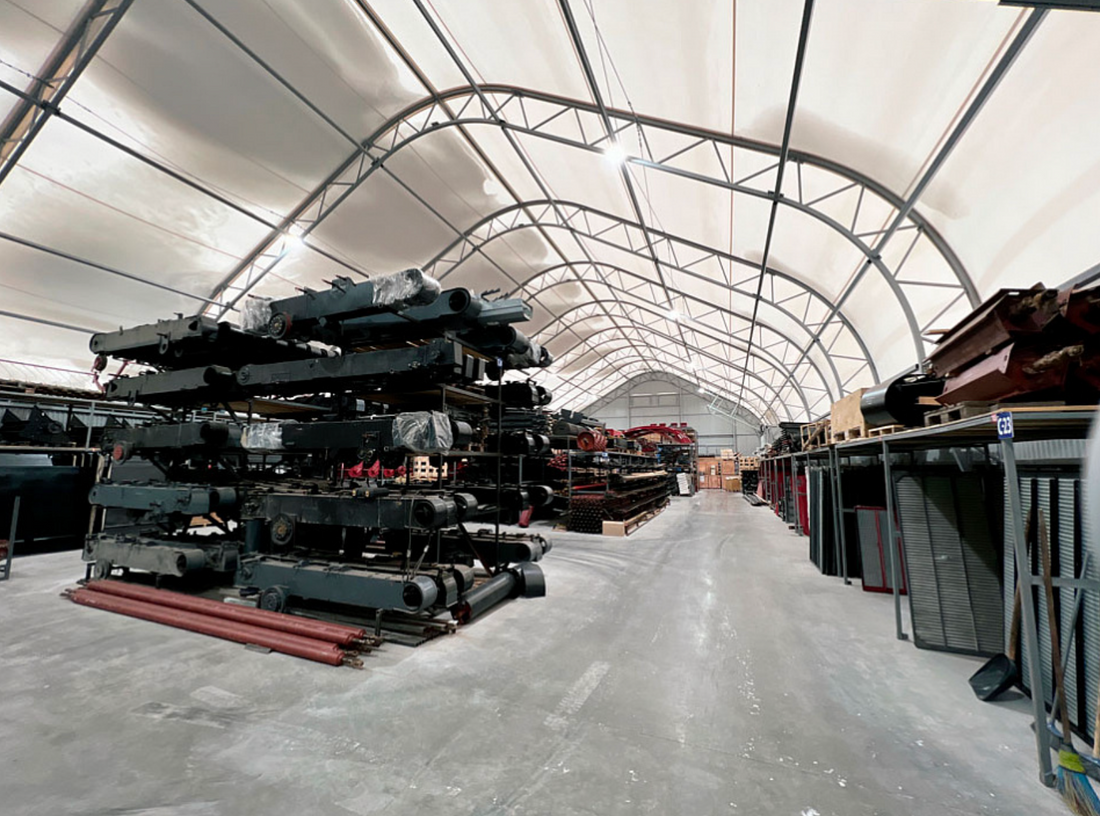
Exploration projects can involve drilling accessories, tools, pumps, hoses, cables, safety equipment, replacement components and other field assets. These items should be arranged according to their size, handling requirements and frequency of use.

Frequently needed equipment may be positioned close to the access opening or preparation area. Bulky materials and reserve supplies may need designated storage zones that do not obstruct movement.

Consider how materials arrive at the site and how they are distributed to field teams. Loading areas, temporary staging positions and vehicle access should be planned around delivery methods and operating schedules.

If equipment will be transported between locations, consider the handling method and the time required to prepare, load and secure items. Relocation requirements may influence the building configuration and site preparation.

Create Space for
Sample and Core Handling

Some exploration programs require dedicated space for organizing drill core, samples, sample containers or related project materials. The layout should reflect the actual workflow, including receipt, identification, sorting, logging, temporary storage and dispatch.

Core racks, trays, shelving, tables or other storage systems may be needed depending on the material and project procedures. Plan usable floor area around these systems, including access for staff and handling equipment.

Samples awaiting logging, testing, documentation or shipment may need identified holding areas. Maintain separation between sample categories and follow the project's identification, preservation and chain-of-custody procedures where applicable.

A general field shelter should not automatically be treated as a laboratory. Sample preparation, testing, chemical handling or other specialized activities may require additional equipment, environmental controls, safety provisions and approvals.

Plan for Remote Deployment
and Site Conditions

Remote exploration locations can introduce practical constraints involving access, ground preparation, transportation, weather exposure and available utilities.

Review the proposed building location, terrain, drainage, foundation requirements, vehicle access and delivery arrangements. The design should account for applicable wind and snow loads, local requirements and site conditions.

Power, lighting, ventilation, heating, insulation and communications provisions should reflect the intended activities. If the facility will support staff for extended periods, identify occupancy and welfare requirements separately.

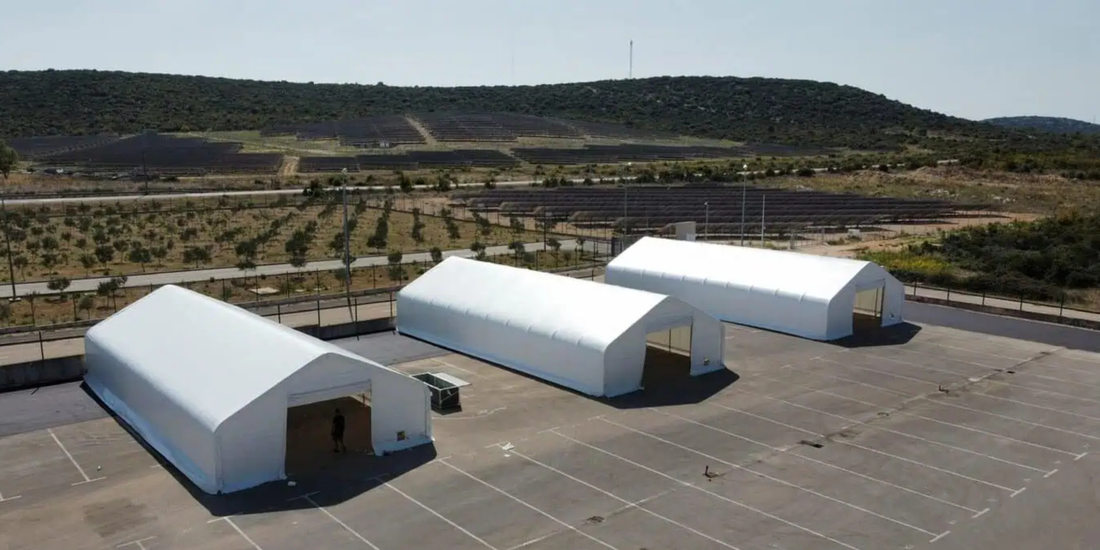
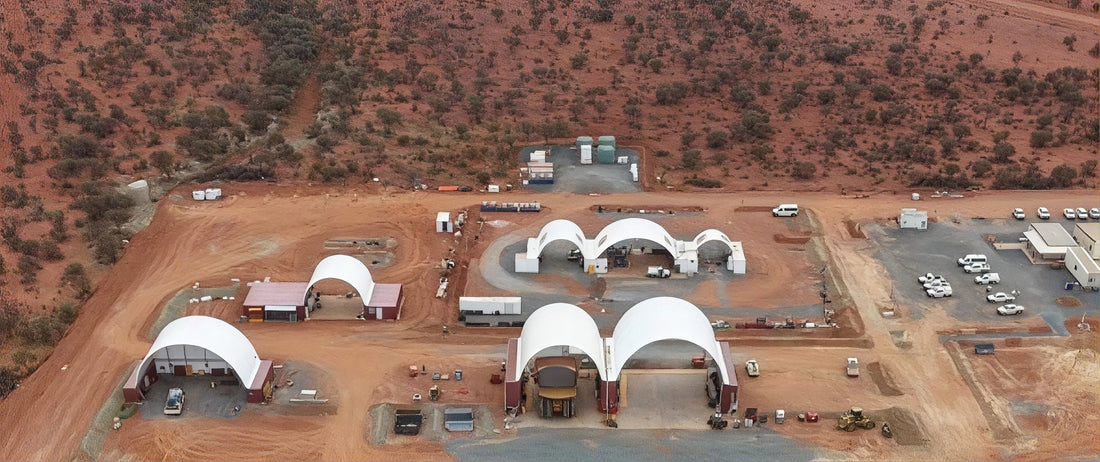
Where a campaign has a defined operating period, evaluate whether a relocatable structure is appropriate. Reuse or relocation depends on the selected configuration, engineering, condition, transportation method and receiving-site requirements.

Configure Exploration
Support Space

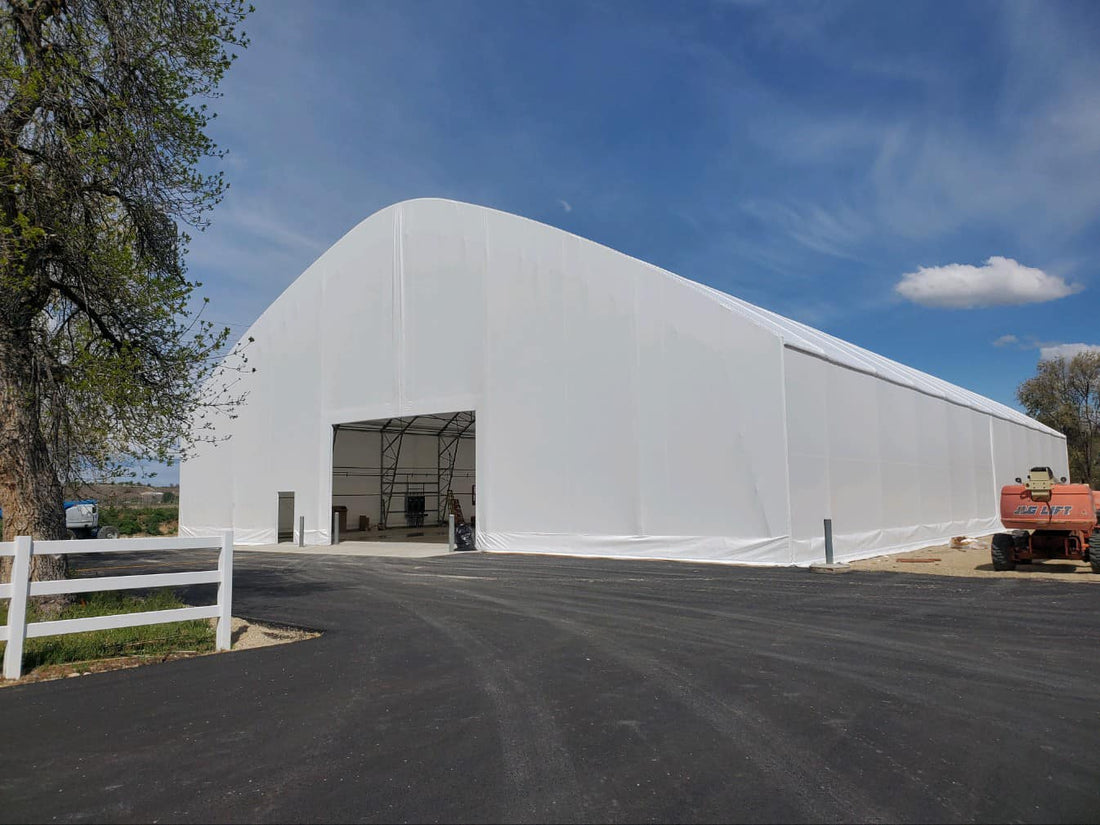
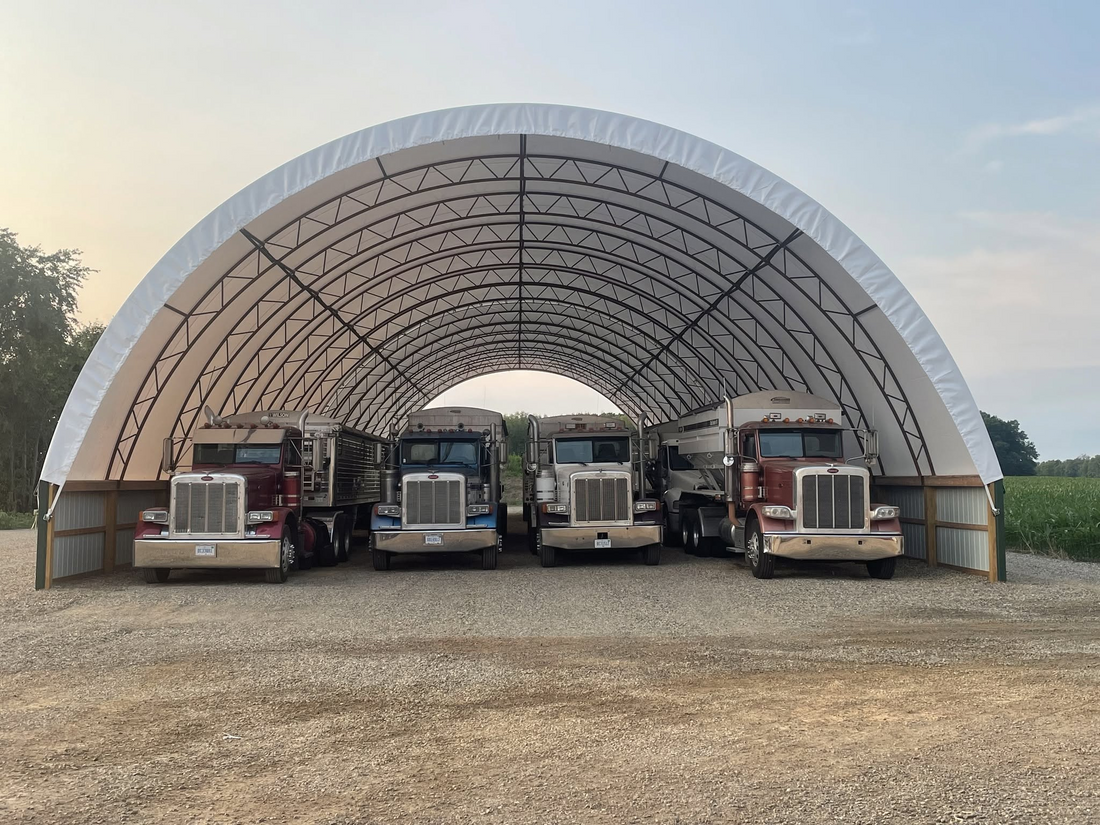
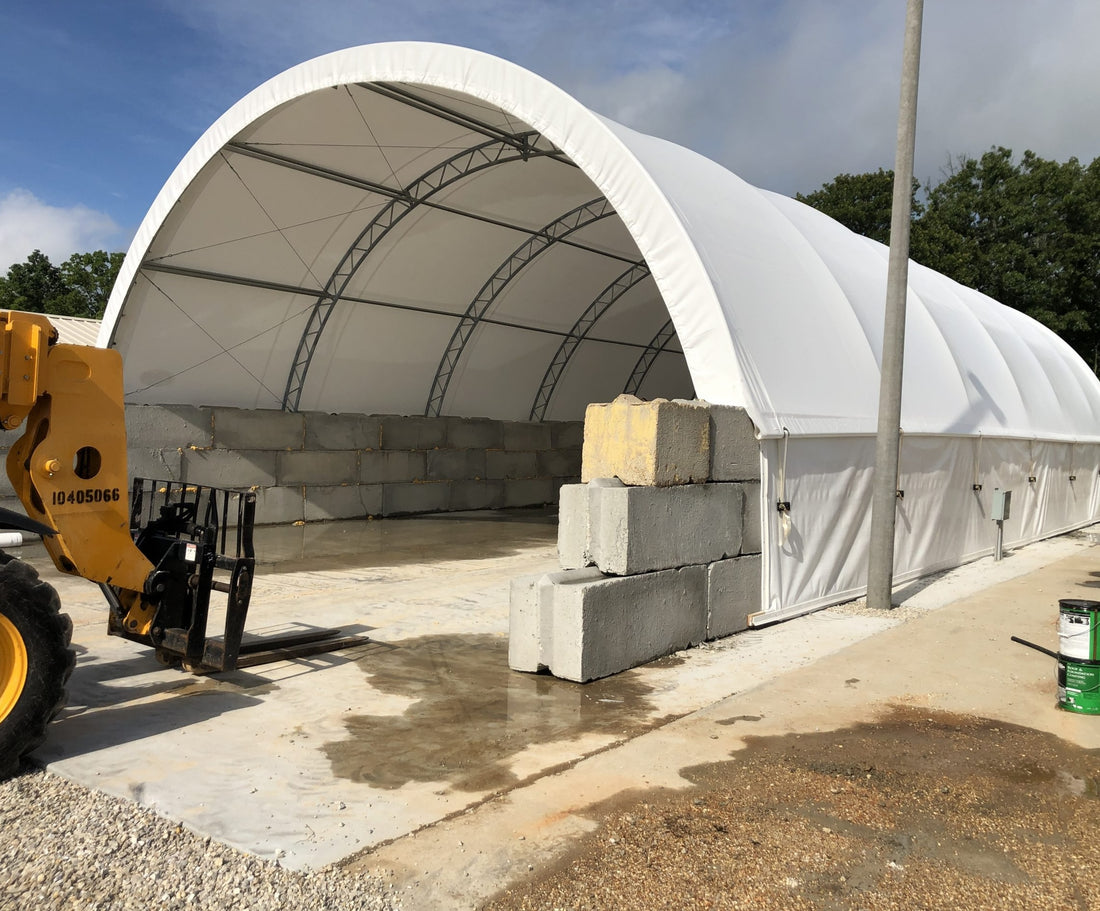
Sheltirx™ fabric buildings can be planned around field equipment, project materials, access openings and site requirements. Clear-span interiors may provide flexibility for equipment staging, storage systems and selected support activities.

Our structures use hot-dip galvanized steel framing and can be engineered around applicable wind and snow loads, foundations, anchoring and local building requirements.

The building enclosure and interior provisions should reflect the exploration application, exposure conditions and any specialized work planned within the facility.

Explore Sheltirx mining structures or review our fabric building options.

Plan Your Exploration
& Field Support Shelter

Tell us about your exploration campaign, equipment and material categories, sample handling activities, expected storage volume, site access and location. Sheltirx™ can help configure field support space around your project requirements.

Frequently Asked Questions

What are exploration site shelters used for?

They can support equipment storage, project supply staging, field preparation and selected sample handling activities.

Can an exploration shelter accommodate core logging?

It may be configured for suitable core handling and logging activities, depending on the layout, equipment, working conditions and project requirements.

Are these structures suitable for remote exploration locations?

They can be evaluated for remote deployment, subject to site access, ground conditions, engineering, transportation and applicable requirements.

Can an exploration building be relocated?

Relocation may be possible depending on the building configuration, condition, engineering, transport arrangements and receiving-site suitability.

Can the building be used for sample processing or laboratory work?

Some activities may require specialized equipment, environmental controls, safety measures and approvals. Suitability must be assessed for the specific process.

What information is needed for a quote?

Provide campaign details, intended uses, equipment dimensions, material quantities, site location, access conditions and utility requirements.